
Why face to face events matter more than ever
What the Institute of Internal Communications is telling us about internal events
The case for well-designed internal events has never been stronger. The Institute of Internal Communication's most recent research gives us the numbers to prove it.
For those of us designing programmes for people, not just logistics, the findings are both validating and galvanising.

People want to be together. They just need a reason.
The Gensler Global Workplace Survey found that employees currently spend 54% of their working week in the office, but want to spend 61%. That gap has held for three years running. The implication for internal events is clear: when people gather with genuine purpose, it lands. Without it, it's just another day in a room.
54% of employees' time is spent in the office, against a desired 61%
Engagement is in freefall. And that is a problem events can help solve.
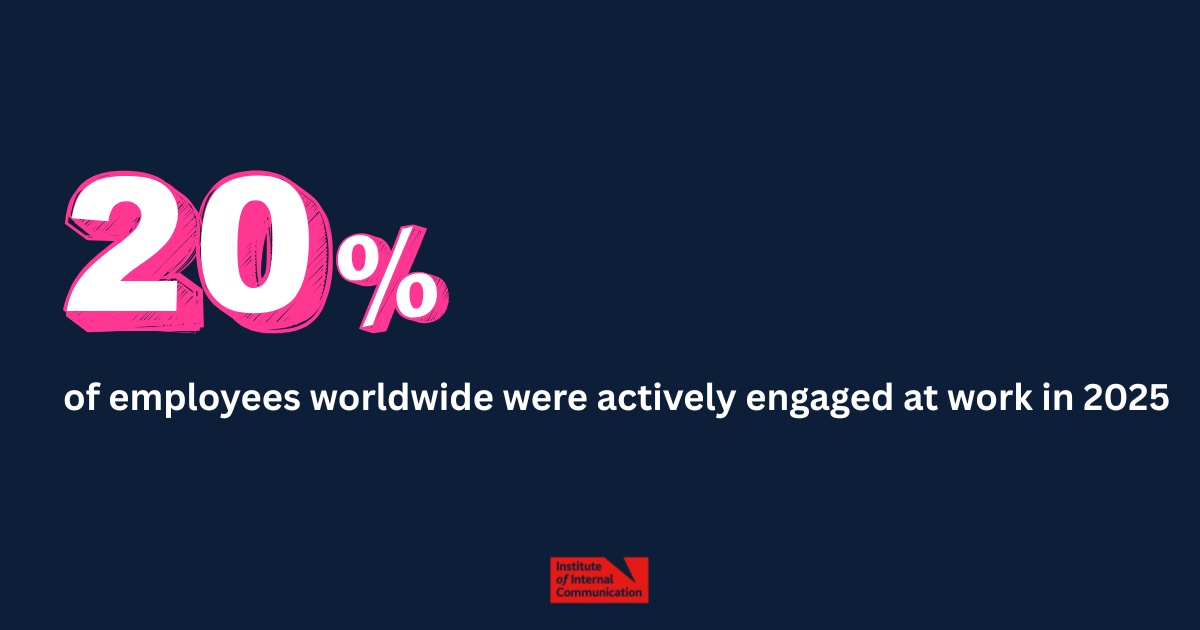
Gallup's 2026 State of the Global Workplace report delivers a stark finding: global employee engagement fell to 20% in 2025, its lowest level since 2020. That is two consecutive years of decline, the first time Gallup has ever recorded back-to-back drops in its 12 years of tracking this data. No region of the world saw engagement increase. Not one.
To understand what that means in human terms: each percentage point of global engagement represents roughly 21 million workers. The three-point drop since 2022 represents tens of millions of people who have psychologically checked out of their jobs. Gallup estimates that disengagement cost the global economy $10 trillion in lost productivity in 2025 alone, the equivalent of 9% of global GDP.
$10 trillion estimated cost of disengagement to the global economy
The IoIC's IC Index 2025 adds crucial nuance. It identifies leaders as a central part of the problem: employees need the human touch. They want leaders who listen, who break down hierarchical barriers and who have real conversations. The data points to higher employee advocacy, engagement and retention as tangible outcomes when that happens. Internal events, designed well, are one of the most direct mechanisms for making it happen.
Loneliness is a business problem, not a personal one.
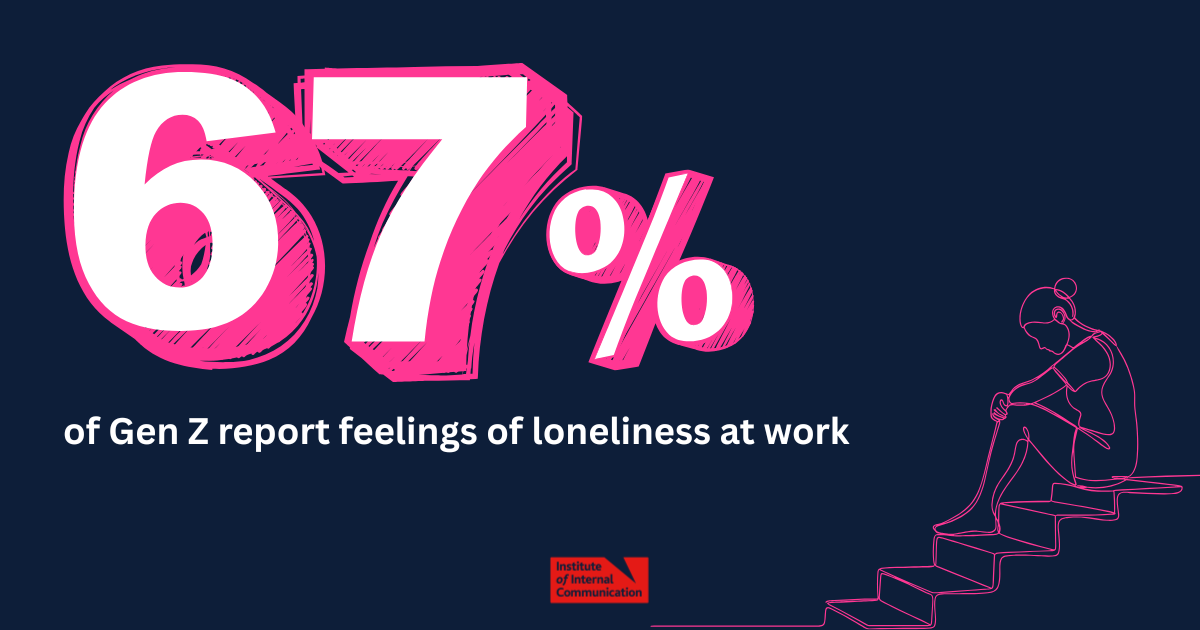
67% of Gen Z report feelings of loneliness, and 27% say it is affecting their motivation at work. These are not abstract wellbeing statistics. They are signals about what your people need from the time they spend together. Internal events that are genuinely designed to connect people, not just brief them, address something real and increasingly urgent.
27% say loneliness is affecting their motivation
AI is making human connection more valuable, not less.
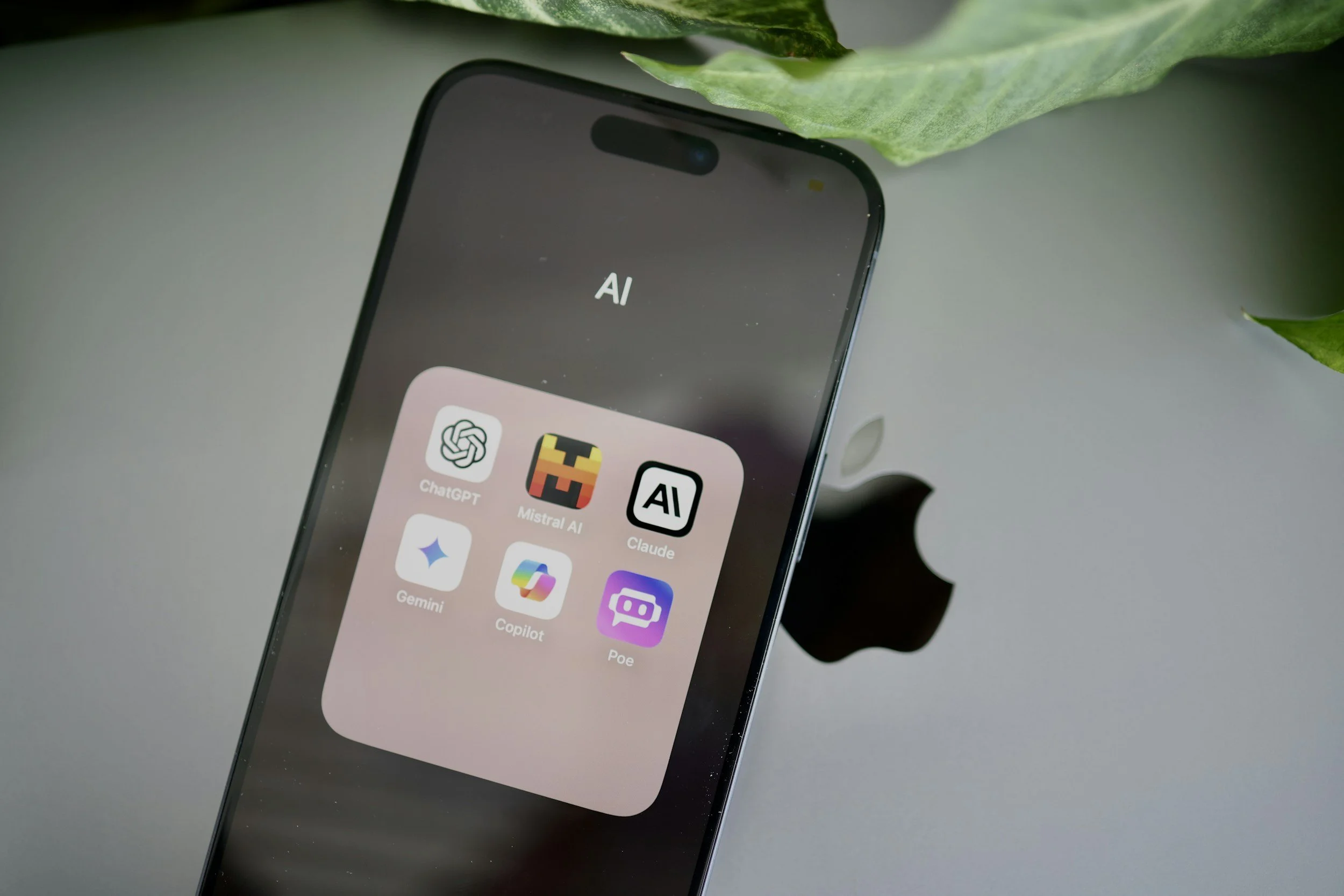
Perhaps the most counterintuitive finding in the research: high AI users are spending more time in collaborative and social activities than their peers, not less. The technology is creating a pull towards human interaction. This puts well-designed internal events in a strategically important position, not as a nice-to-have, but as a direct response to how work is changing.
Internal communication has moved beyond broadcast.
The IoIC Future of IC white paper positions internal communication as the glue that coheres teams, and identifies live events as one of the primary tools for building cross-functional community. The shift is from telling people things to involving them in something. That distinction is everything when it comes to designing a programme that actually moves people.
At Powwow, this is the thinking that shapes how we approach internal events. Not just what happens on the day, but what it is there to do.
If you are thinking about your next internal programme and want to make sure it earns its place, we would love to talk - email us at hello@powwowevents.co.uk